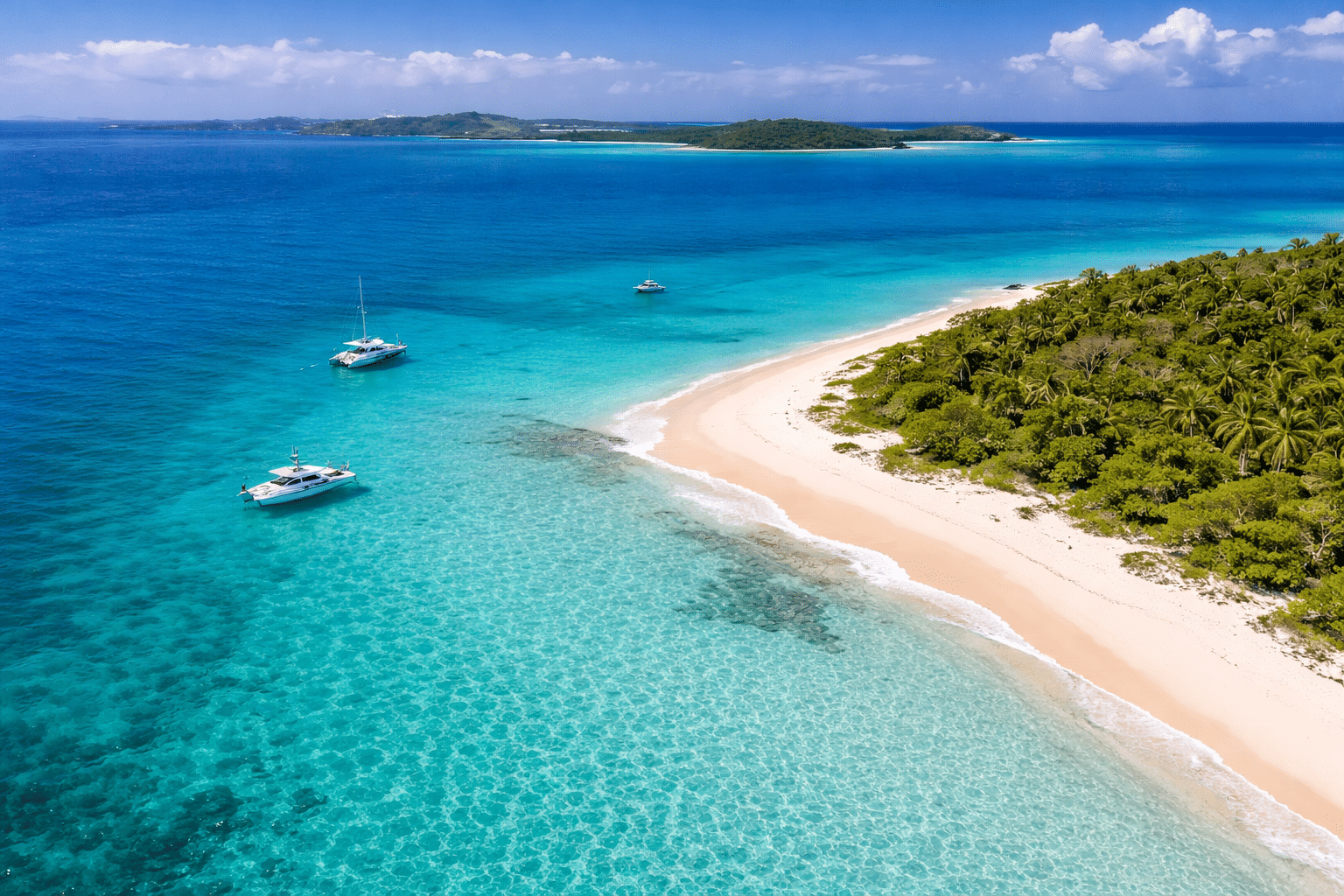
If you’ve ever bitten into a pineapple grown in Puerto Rico, you’ve probably noticed something immediately—it tastes different. Sweeter. Juicier. More balanced. That’s not imagination, and it’s not luck.
Pineapples don’t just grow in Puerto Rico. They belong here.
From the warmth of the sun to the rhythm of the rain and the mineral richness of the soil, Puerto Rico offers nearly everything a pineapple plant needs—naturally, consistently, and without force. That’s why pineapples have quietly become one of the island’s most reliable and culturally connected fruits, even if they don’t always get the spotlight.
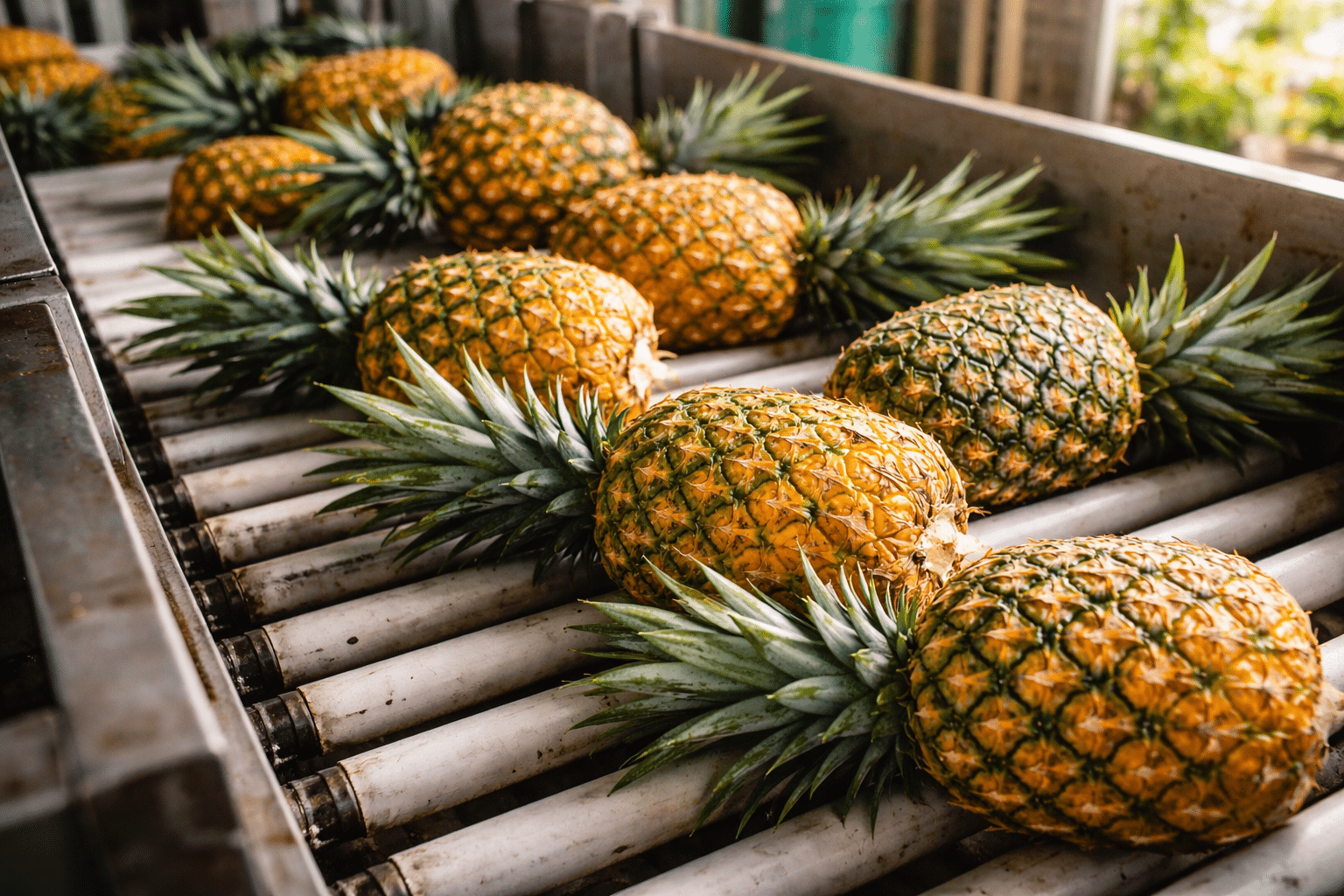
This guide breaks down why pineapples thrive so well here, how the island’s climate does most of the work, and what that tells us about Puerto Rico’s land, food traditions, and agricultural potential.
What Climate Conditions Are Ideal for Pineapple Growth?
Pineapples are tropical plants, but they’re selective about how tropical their environment is. Too wet, and roots rot. Too dry, and growth stalls. Too cold, and the plant shuts down.
Puerto Rico hits the sweet spot.
Warm Temperatures Without Extreme Swings
Pineapples grow best in temperatures between 68°F and 86°F. Puerto Rico’s climate stays within this range for most of the year, which means pineapple plants don’t experience the stress caused by sharp seasonal changes.
Unlike subtropical regions where cold snaps interrupt growth, pineapples here mature steadily. This consistency allows sugars to develop more evenly, resulting in better flavor and texture.
Reliable Sunlight Year-Round
Pineapples require long periods of sunlight to photosynthesize efficiently. Puerto Rico’s position near the tropics provides stable daylight hours throughout the year, which supports continuous growth rather than stop-and-go development.
This steady exposure helps pineapples build natural sweetness without the need for artificial inputs or forced ripening.
Balanced Rainfall That Supports—but Doesn’t Drown
Pineapples need water, but they hate standing moisture. Puerto Rico’s rainfall patterns—especially in coastal and low-elevation agricultural areas—provide hydration while still allowing soil to drain.
This balance is one of the main reasons pineapples succeed here where they struggle in wetter tropical regions.
Why Puerto Rico’s Climate Is Perfect for Pineapple Farming
When climate works with a crop instead of against it, farming becomes more sustainable—and more predictable.
No Frost, No Seasonal Shock
Pineapple plants are extremely sensitive to cold. Even brief frost exposure can permanently damage them. Puerto Rico’s frost-free environment eliminates that risk entirely.
This allows farmers to plan harvests more reliably and reduces crop loss without the need for protective infrastructure.
Natural Airflow Reduces Disease Pressure
Trade winds help regulate humidity and temperature across much of the island. This airflow reduces fungal growth and pest pressure, which are common problems in stagnant tropical climates.
As a result, pineapples grown in Puerto Rico often require fewer chemical interventions.
Microclimates That Support Diverse Growing Zones
From coastal plains to gently sloping inland areas, Puerto Rico offers multiple microclimates suitable for pineapple cultivation. Farmers can adapt planting locations based on rainfall, soil type, and sun exposure.
This flexibility strengthens long-term agricultural resilience.
What Type of Soil Helps Pineapples Grow Best in Puerto Rico?
Climate alone isn’t enough. Pineapples are picky about what’s beneath them.
Well-Drained, Slightly Acidic Soil
Pineapples thrive in soils with good drainage and mild acidity. Many regions of Puerto Rico naturally provide this combination, especially sandy and loamy soils near the coast and foothills.
This allows roots to breathe while still accessing nutrients.
Mineral-Rich Ground Enhances Flavor
Soils with volcanic and mineral content contribute to the fruit’s depth of flavor. While Puerto Rico isn’t volcanic in the same way as some pineapple-producing regions, its soil composition still supports strong nutrient uptake.
The result is fruit that tastes vibrant rather than flat.
Thriving Where Other Crops Struggle
Pineapples can grow in areas unsuitable for crops that require deep, fertile soil. This has historically allowed farmers to use land efficiently without overworking prime agricultural zones.
That adaptability has kept pineapple cultivation viable across generations.
How Pineapple Farming Became Part of Puerto Rico’s Agricultural Story
Pineapples didn’t arrive as a trend. They arrived because the land welcomed them.
Caribbean Roots and Early Cultivation
Pineapples are native to the Americas, and their spread throughout the Caribbean happened naturally. In Puerto Rico, they became part of small-scale farming long before industrial agriculture reshaped the landscape.
Growing Alongside Other Tropical Crops
As coffee, sugarcane, and fruit farming evolved, pineapples remained a dependable crop—less demanding, more forgiving, and easier to integrate into mixed farming systems.
A Quiet Staple in Modern Local Agriculture
Today, pineapples are grown primarily by small and medium producers rather than massive operations. This keeps production closely tied to local markets and seasonal rhythms.
What Types of Pineapples Grow in Puerto Rico?
Not all pineapples taste the same—and climate plays a role.
Commercial Varieties With Local Character
Varieties similar to Smooth Cayenne dominate because they adapt well to the island’s conditions. However, locally grown versions often taste sweeter due to longer ripening times on the plant.
Flavor Development Influenced by Climate
Pineapples grown in Puerto Rico benefit from consistent sun and slow maturation. This allows sugars to develop fully before harvest, rather than being forced during transport or storage.
That’s why local pineapples often taste brighter than imported ones.
Why Pineapples Are Naturally Resilient in Puerto Rico
Resilience matters, especially in a changing climate.
Drought Tolerance Once Established
Pineapple plants store water efficiently, which makes them surprisingly drought-resistant after their roots develop. This is ideal for regions that experience variable rainfall.
Fewer Pests Compared to Other Crops
Because pineapples grow low to the ground and have tough leaves, they face fewer pest threats than softer crops. Combined with Puerto Rico’s airflow, this reduces disease risk.
Predictable Growth Cycles
Without harsh seasonal interruptions, pineapples grow at a steady pace. This predictability supports planning and reduces waste.
How Pineapples Fit Into Puerto Rican Food and Daily Life
Pineapples are more than produce—they’re part of everyday flavor.
From Fresh Fruit to Traditional Dishes
Pineapples appear in juices, desserts, sauces, and savory pairings. Their acidity balances rich flavors, making them versatile in home cooking.
Local Markets and Roadside Stands
Buying pineapples locally often means fresher fruit harvested closer to peak ripeness. That freshness shows up immediately in taste.
A Symbol of Tropical Abundance
Pineapples are associated with warmth, hospitality, and sharing—values deeply rooted in Puerto Rican culture.
Can You Grow Pineapples at Home in Puerto Rico?
Absolutely—and many people already do.
Ideal for Backyards and Containers
With sun, drainage, and patience, pineapples grow well in home gardens. Many locals plant them using crowns from store-bought fruit.
Slow Growth, Big Reward
Pineapples take 18–24 months to mature, but the result is worth the wait. Slow growth often means better flavor.
Common Mistakes to Avoid
Overwatering and poor drainage are the biggest issues. Fortunately, Puerto Rico’s climate solves most problems before they start.
Why Pineapples Make Sense for Puerto Rico’s Future
Pineapples align naturally with sustainable agriculture.
Lower Water and Input Needs
Compared to many crops, pineapples require fewer resources once established. This makes them suitable for environmentally conscious farming.
Supporting Local Food Security
Locally grown fruit reduces dependence on imports and strengthens regional food systems.
Opportunities for Small Farmers
Because pineapples don’t require large infrastructure, they remain accessible to family-run operations and community projects.
Discovering Pineapple Culture Beyond the Farm
Understanding pineapple growth helps you appreciate how climate, land, and culture intersect. Festivals, markets, and agricultural events across the island often reflect this relationship.
If you enjoy exploring how food connects to place, our Local Attractions page highlights experiences where agriculture, tradition, and community come together—helping you discover the island beyond the usual routes.
Conclusion: Pineapples Prove That Puerto Rico’s Climate Works in Harmony With Nature
Pineapples thrive in Puerto Rico because they don’t have to fight the environment. The climate supports them. The soil nourishes them. The culture values them.
They’re proof that when agriculture aligns with nature instead of forcing it, the result is better food, stronger communities, and deeper connection to the land.
As conversations grow around sustainability, local farming, and cultural preservation, pineapples quietly remind us that Puerto Rico already holds many of the answers.
And for those interested in celebrating that connection—through food, festivals, and community-driven experiences—platforms like EnMiPatioPR help surface stories tied to the land, from everyday farming traditions to events like the Puerto Rico Pineapple Celebration 2026 that highlight how deeply nature and culture are linked, much like the paradise pineapple festival in puerto rico that honors the fruit’s place in island life.
Sometimes, the most powerful stories grow right where they’re planted.